Natural & ceremonial cacao

Cacao, honoured from seed to cup

Three origins — Peru, Mexico and Guatemala — each grown and tended by the communities who know it best.

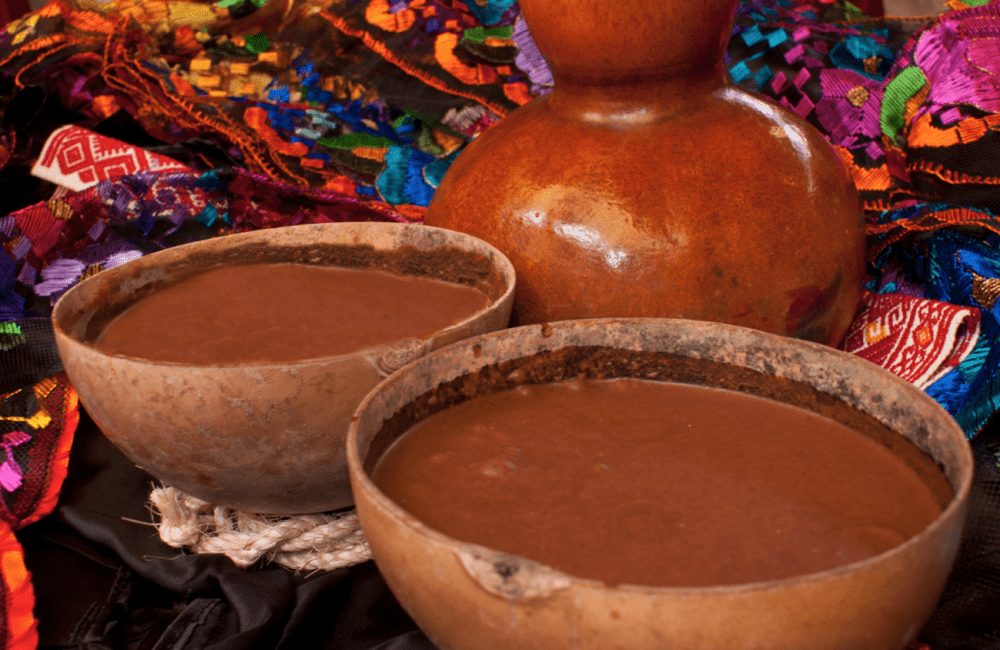
Two cups of freshly prepared cacao

Our cacao

Three origins, three stories

Loading our cacao…

Origin · Peru

The Ashaninka families of the Ucayali

About the Origin

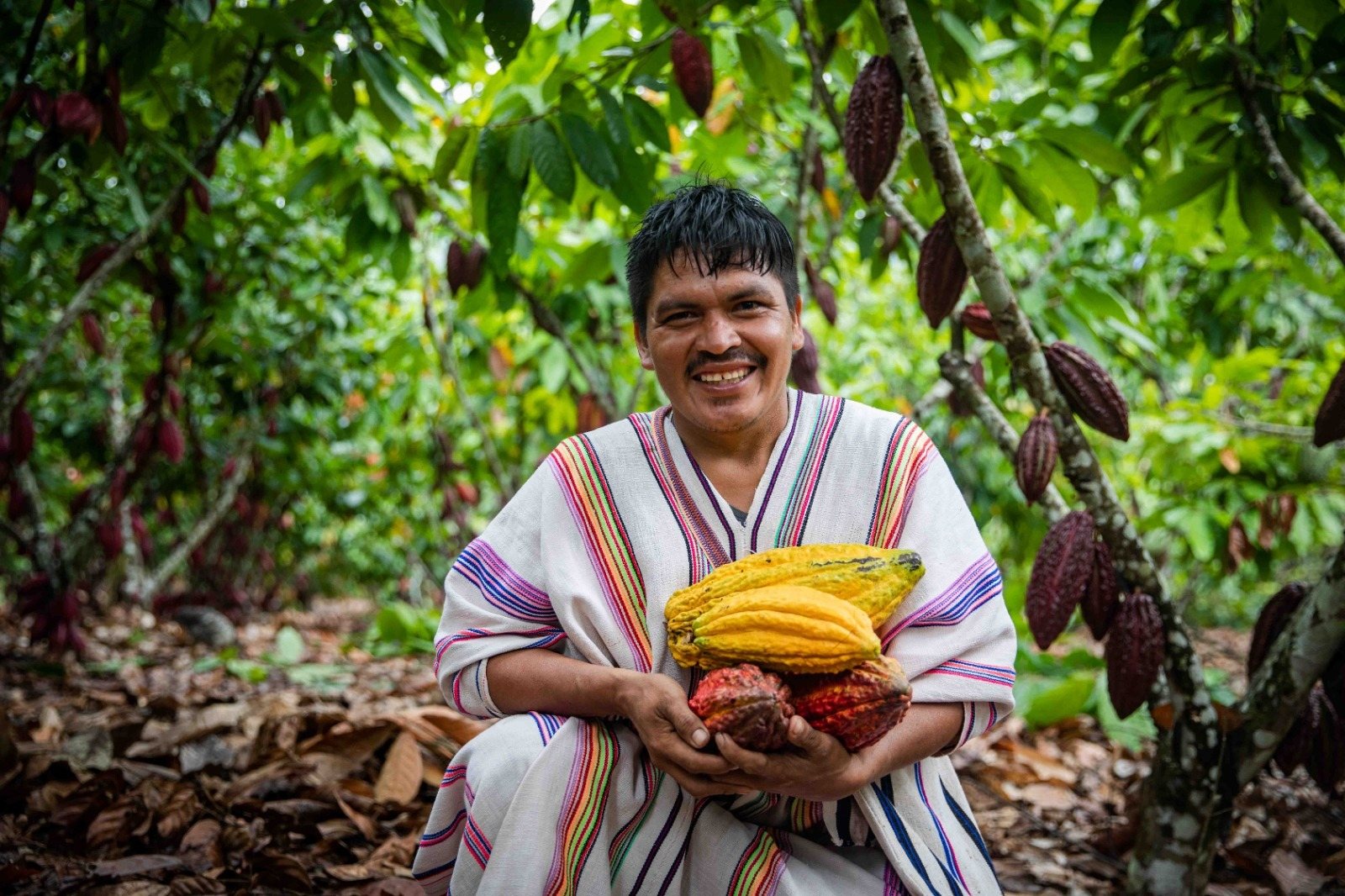
The Ashaninka communities have cultivated cacao for generations, tending the trees with care and deep respect for the forest. Their cacao grows beneath tall canopies, nourished by rich Amazonian soil and guided by ancestral knowledge. Each harvest represents both livelihood and tradition — a harmony between people and land.
Working with the families

We work directly with the families, collecting fresh cacao seeds that they harvest by hand. This work helps ensure that the value of the cacao stays within the community and that the Ashaninka people receive fair, respectful compensation for their labour and heritage.

Processing

After collection, the cacao is taken to a partner cooperative, where it is professionally fermented, dried, and transformed into cacao paste and other forms while retaining full traceability back to the Ashaninka growers.

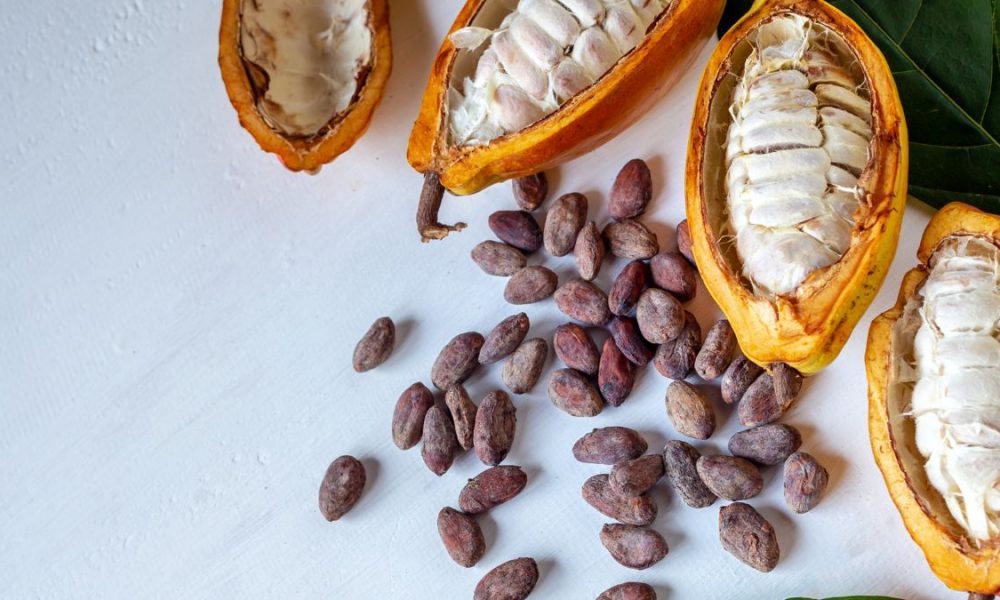
Cacao beans beside open cacao pods
An Ashaninka grower holding freshly harvested cacao pods
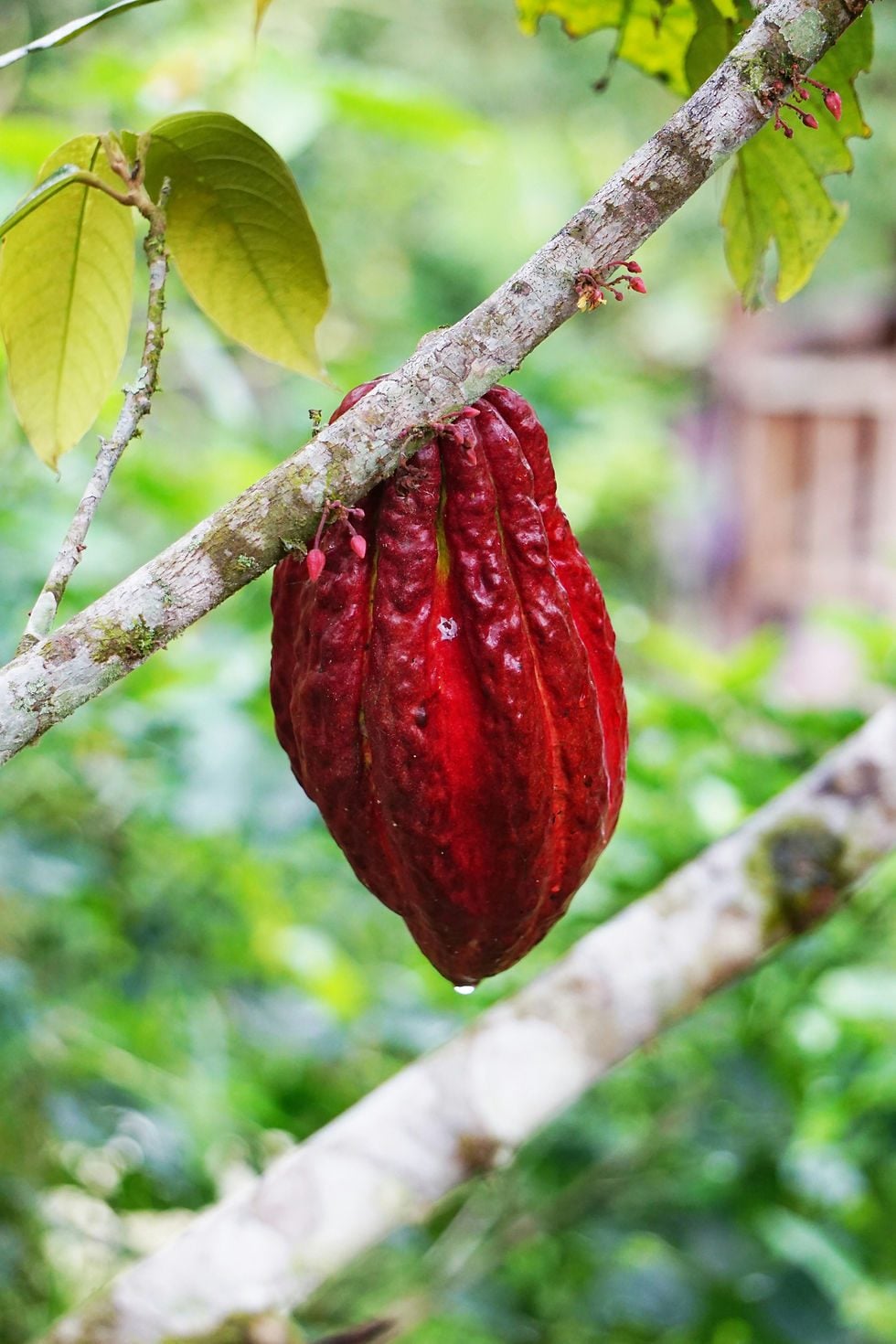
A ripe red cacao pod on the tree

Origin · Mexico

The Mam of Soconusco, Chiapas

Soconusco remains the oldest region in the world where cacao has been continuously grown for 4,000 years.

The community

The Mam (or Mame) Indigenous community of Soconusco, Chiapas, are part of the broader Maya cultural lineage that continues the legacy of some of the earliest cacao traditions in the world. This region overlaps with the territory of the ancient Mokaya — the first settled civilisation in Mesoamerica, over 3,000–4,000 years ago, who consumed cacao — and remains a living centre of Mesoamerican foodways and ritual life.

How it’s made

The ancient post-harvest method of cacao lavado (washed cacao) preserves many of the antioxidants, flavanols (epicatechins and catechins), theobromine and other bioactive compounds that are often broken down or lost through the heat and chemical reactions of fermentation.

Roasting and grinding play a smaller role in nutrient loss than post-harvest processing. Even so, the cacao is roasted at low temperatures and gently ground to avoid harsh processing.

The land

The Soconusco region is one of the richest in Mexico for biodiversity. Between the coast and the mountains there remains a “green belt” where cacao is cultivated, extending into higher elevations where coffee plantations are found. This cacao green belt stands as the last barrier between coastal monocultures and the nature reserves to the north.

Bowls of traditional cacao drink
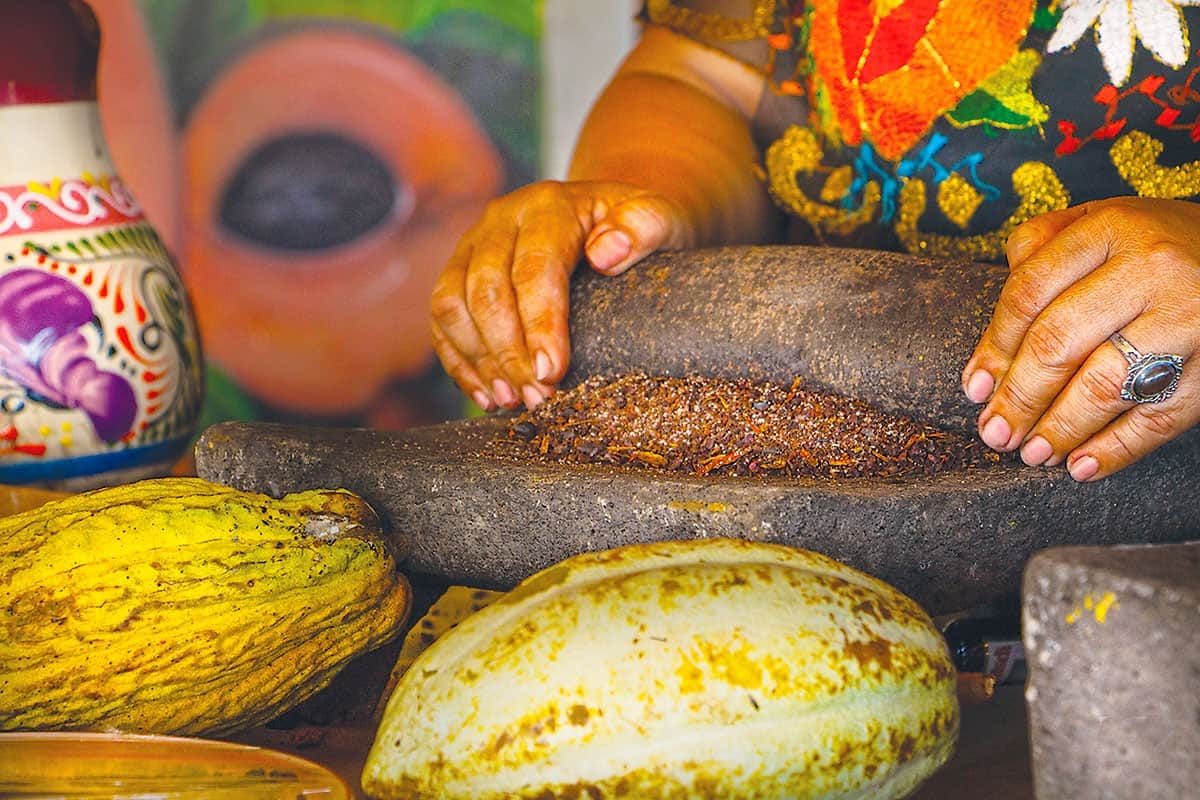
Cacao being ground by hand on a stone

Origin · Guatemala

The women of Lanquin

“It’s like we were born with cacao in our hands”

The community

Lanquin is known by its local people as the birthplace of cacao in Guatemala. For generations, cacao has grown in the territory and been present at every ceremony, celebration and union. It is also the medicine of the women for pregnancy and birth. We work with a collective of women whose vision is to continue processing cacao the way their ancestors did and keep this tradition alive. Every daughter, at the age of 7, learns how to transform cacao with the metate — a volcanic grinding stone — and carries the same metate her grandmothers had, passed down from generation to generation, from grandmothers to daughters.

How it’s made

Our cacao is processed using ancestral methods of fermentation, fire-roasting and hand-peeling. This cacao is unique for its fruitiness and vibrancy. Its flavour reflects the biodiversity of the land where it is grown — where copal, cacao and ceiba trees grow in harmony as medicine.

For seeding and harvesting, the moon is our guiding star. We follow the moon cycles to seed and harvest, and we won’t plant or harvest during eclipse seasons.